Podcast
Drug Discovery AI Talk
Every episode, transcribed and turned into a searchable wiki page — the concepts, entities and tags pulled out of each conversation.
search
30 episodes matching
EP 69
CollaboFest: Revolutionizing Academic Research
The 2026 SPARC Drug Discovery CollaboFest is redefining academic research by offering focused AI and wet lab services to multidisciplinary teams, bridging the translational gap and turning raw biomedical insights into tangible therapeutic strategies. This episode explores the mission behind CollaboFest and its potential to revolutionize the future of solo academic researchers. With its unique approach to team formation, data-driven decision making, and AI-assisted analysis, CollaboFest is poised to elevate the entire research ecosystem and move the field closer to open source drug discovery 2.0.
CollaboFestAcademic ResearchAI-Driven Drug Discovery
Read wikiarrow_forward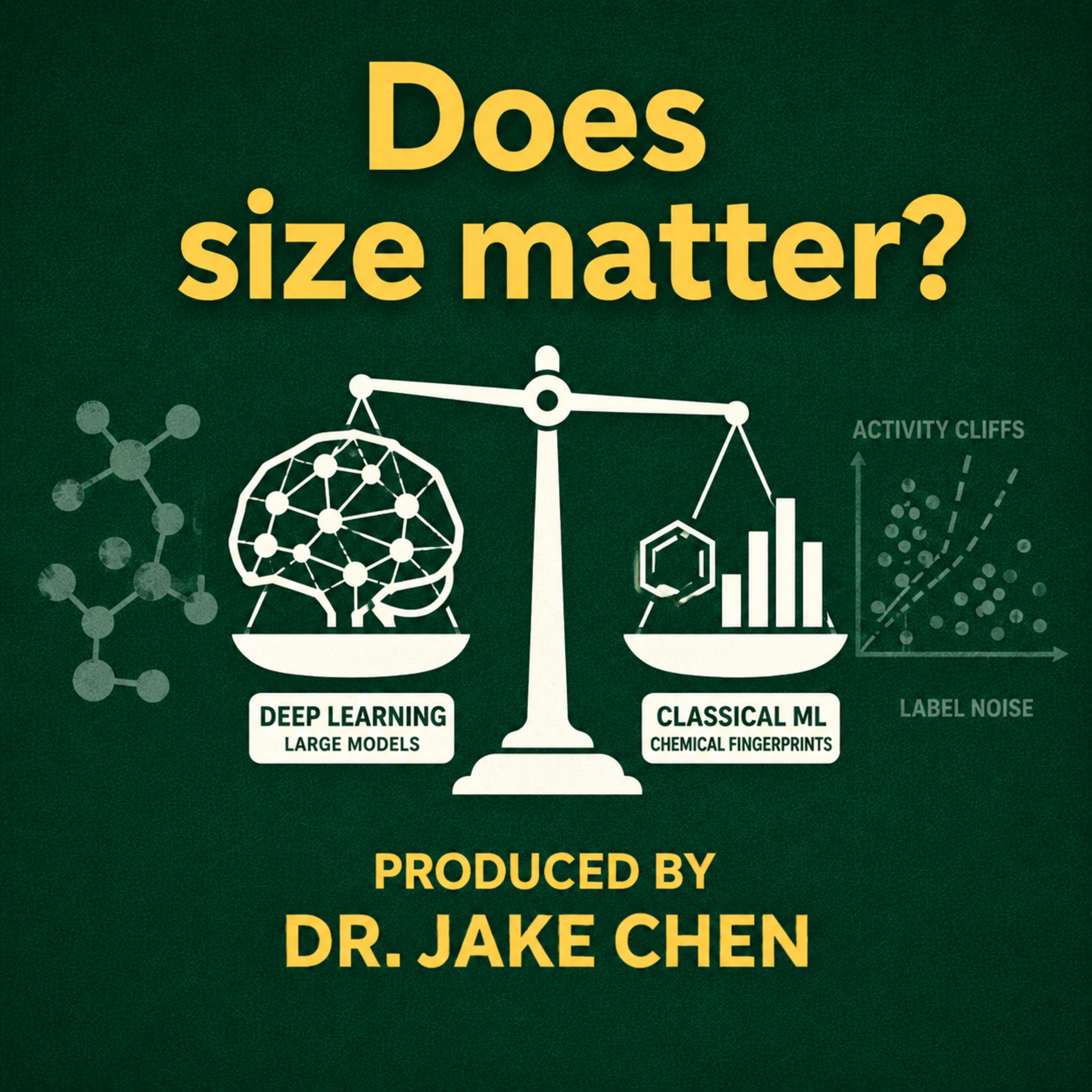
EP 67
Does Size Matter?
The podcast discusses the role of large foundation models in drug discovery, comparing their performance to classical machine learning models. The conversation highlights the challenges of working with small, noisy datasets and the importance of understanding the topology of chemical space. The episode explores the trade-offs between exploitation and exploration in drug discovery, and how different models can be used to achieve these goals.
AIdrug discoverymachine learning
Read wikiarrow_forward
EP 64
Foundation Models in Biomedicine and Drug Discovery
The episode explores the evolution of foundation models in biomedicine and drug discovery, from rigid task-specific models to massive polymath models that learn the fundamental grammar of biology. It discusses the tension between open source and private models, and the rise of agentic AI that can reason and orchestrate virtual labs. The episode also touches on the challenges of simulating complex biological systems and the potential future of clinical trials.
foundation modelsbiomedicinedrug discovery
Read wikiarrow_forward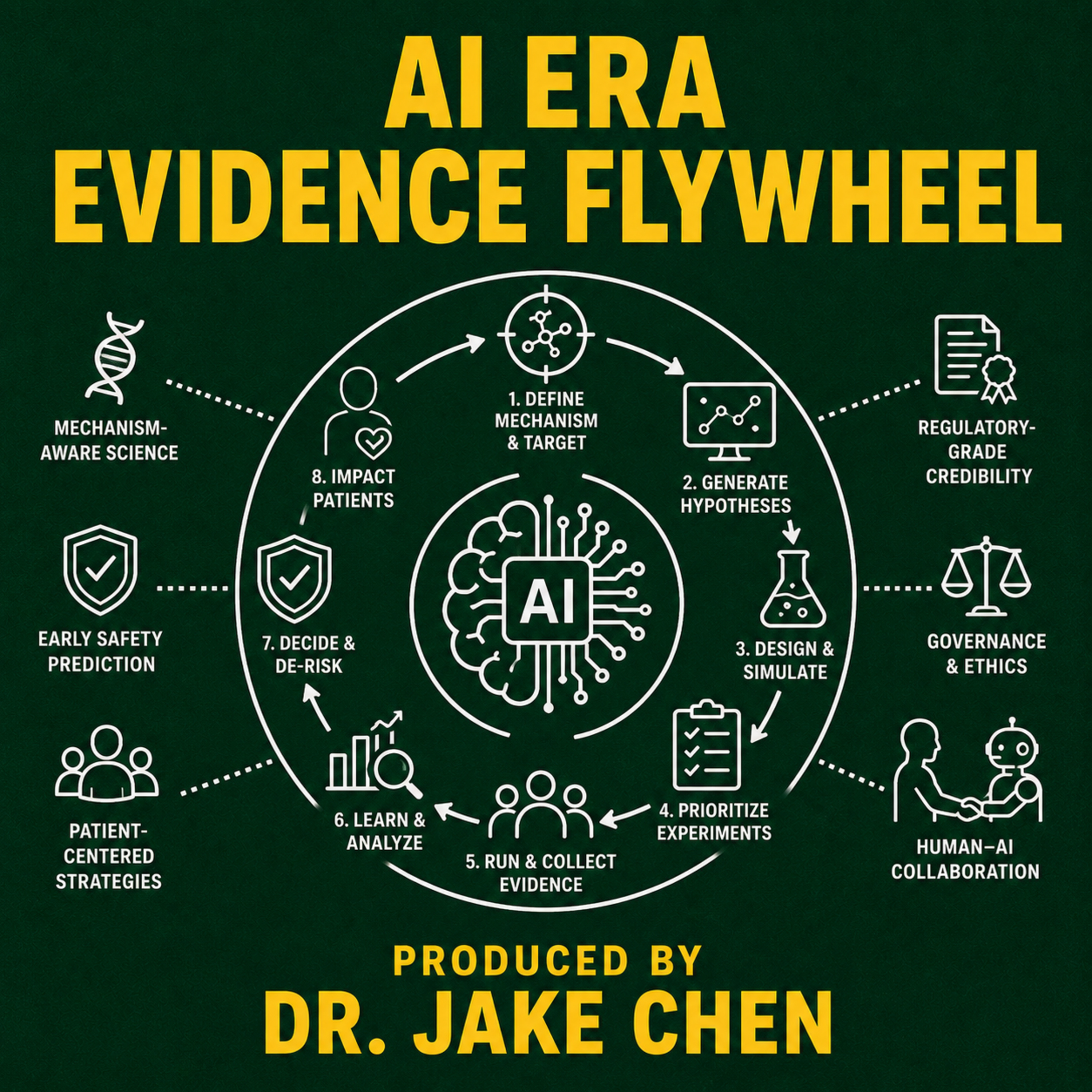
EP 61
AI Era Evidence Flywheel
The pharmaceutical industry's initial instinct to use AI as an accelerator has been fundamentally flawed. AI should compress ignorance, not decorate uncertainty. A new approach is needed, focusing on reducing biological uncertainty and using AI to design molecules that fit specific targets.
AIDrug DiscoveryPharmaceutical Industry
Read wikiarrow_forward
EP 59
Drug Discovery AI Teammates
The future of AI-enabled drug discovery is about massive human teams working seamlessly alongside specialized autonomous teams of AI agents. This episode explores the paradigm shift in drug discovery, from the traditional model of a single principal investigator to a dynamic teaming approach. The discussion delves into the complexity gap in modern drug discovery, the role of AI in bridging this gap, and the importance of human-AI collaboration.
drug discoveryAIhuman-AI collaboration
Read wikiarrow_forward
EP 58
Do We Need Mavericks in AI for Drug Discovery
The podcast explores the role of mavericks in AI for drug discovery, discussing the challenges and opportunities in this field. With a 90% failure rate of drugs in clinical trials, the industry is looking for innovative solutions. The episode delves into the stories of mavericks who are trying to revolutionize AI drug discovery, including Alex Zavornikov, Demis Hassabis, and Aviv Rejev. The conversation also touches on the importance of open-source architectures and the need for a networked coalition to drive progress in this field.
AIdrug discoverymavericks
Read wikiarrow_forward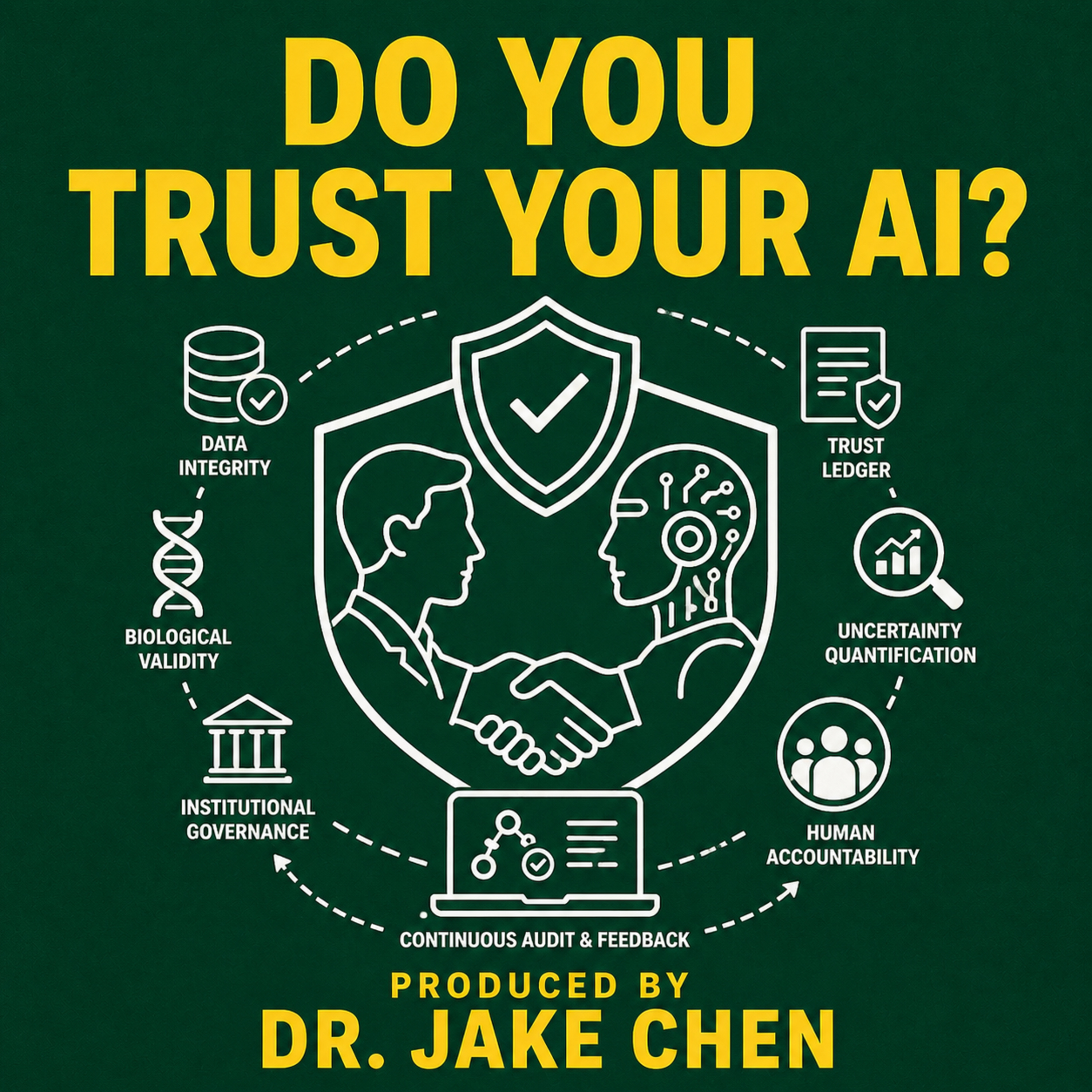
EP 57
Do You Trust Your AI?
The podcast explores the concept of trust in AI, particularly in the field of medicine and drug discovery. It argues that asking if we trust AI is the wrong question and instead proposes the idea of calibrated reliance. The episode delves into the complexities of AI in biology, highlighting the dangers of data leakage, hallucinated explanations, and the importance of a six-layer trust framework.
AIdrug discoverycalibrated reliance
Read wikiarrow_forward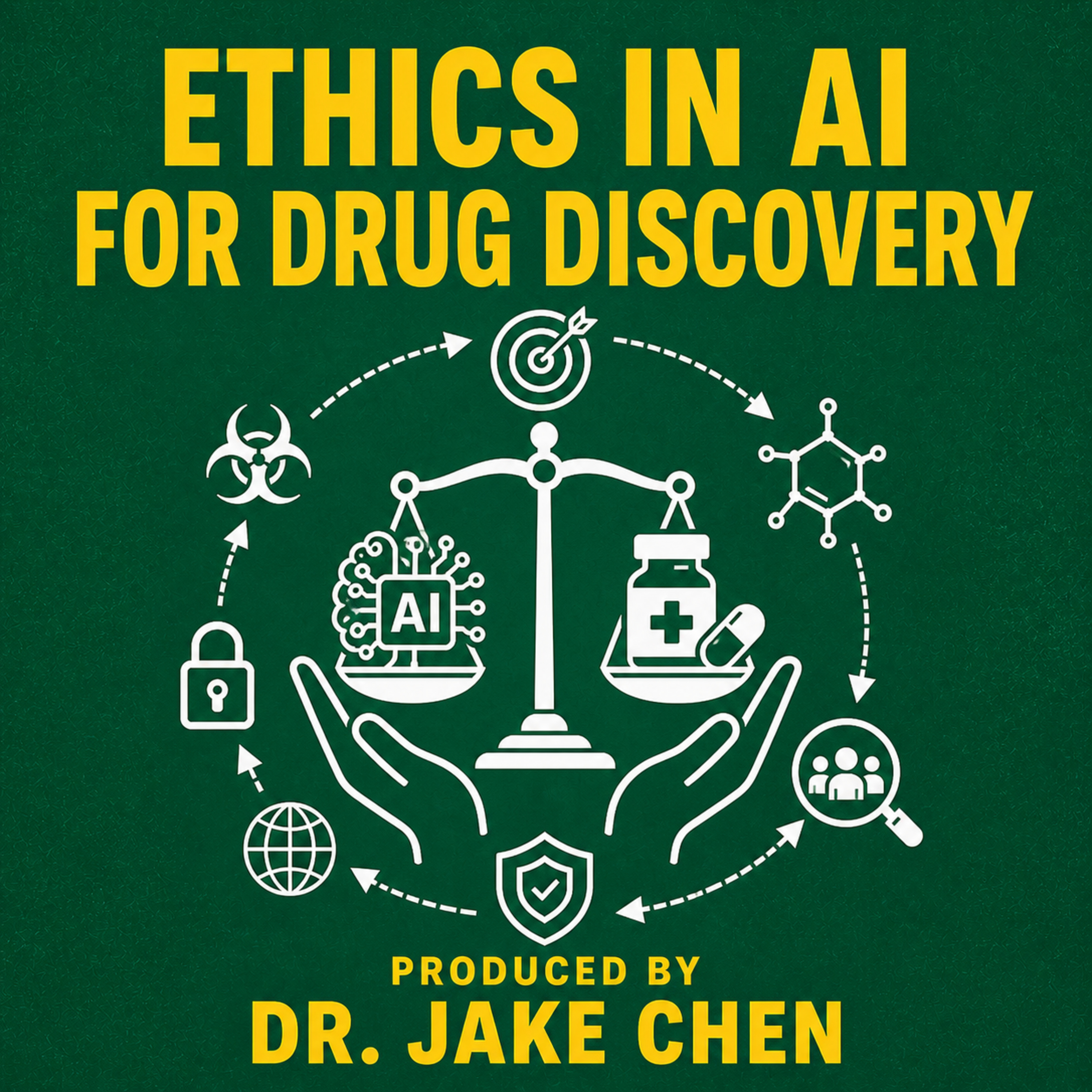
EP 56
Ethics in AI for Drug Discovery
The use of artificial intelligence in drug discovery is a massive paradigm shift, changing everything from data privacy to biological bias and global security risks. This episode explores the challenges and solutions in this field, including the Good AI Practice Framework and the Ethical Target Product Profile. The goal is to steer this technology toward high social value, producing public health benefits rather than just commercial gain.
AIdrug discoveryethics
Read wikiarrow_forward
EP 53
The Math of AI Drug Discovery
This episode decodes the math behind the hype of AI drug discovery, exploring how companies like Insilico Medicine are using AI to develop new drugs and the financial models that drive their valuation. The discussion delves into the complexities of biotech valuation, including the role of risk-adjusted net present value and the challenges of navigating the 'valley of death' in clinical trials.
AI drug discoverybiotech valuationrisk-adjusted net present value
Read wikiarrow_forward
EP 52
Benchmarking AI for Drug Discovery
This episode explores the world of artificial intelligence in drug discovery, focusing on the importance of benchmarking to measure its success. The discussion delves into the challenges of benchmarking AI models, the issue of benchmark drift, and the need for transparent and robust evaluation methods. The conversation also touches on the potential of agentic AI systems and the future of self-driving labs and digital twins in accelerating drug discovery.
AIDrug DiscoveryBenchmarking
Read wikiarrow_forward
EP 49
From Prompts to Drugs
Imagine a system where you can type a prompt to design a drug, and a machine can create it for you. This episode explores the concept of pharmaceutical superintelligence, where AI and automated labs converge to create new drugs. However, it also delves into the potential risks and limitations of relying on machines for scientific discovery.
pharmaceutical superintelligenceagentic AIhumanoid robots
Read wikiarrow_forward
EP 47
The Silicon Alchemist
The story of Alex Zavarankov, a young boy from Riga who grew up to pioneer the use of AI in drug discovery, and his journey from the rubble of the USSR to a massive IPO on the Hong Kong Stock Exchange. This episode explores how AI in drug discovery went from being considered vaporware to putting AI-designed drugs into human clinical trials. The Silicon Alchemist is a story of innovation, perseverance, and the potential of AI to revolutionize the field of medicine.
AIDrug DiscoveryInsilico Medicine
Read wikiarrow_forward
EP 46
Top Ten AI Research Papers in 2025
This episode discusses the top 10 most influential AI for drug discovery papers from 2025, highlighting paradigm shifts in autonomous agents, virtual cell revolution, chemical intelligence, and design proteins beyond nature. The papers represent fundamental changes in the field, accelerating everything, cutting costs, and unleashing synthetic creativity. The episode explores the trends that will dominate 2026 and the impact of AI on drug discovery.
AIDrug DiscoveryAutonomous Agents
Read wikiarrow_forward
EP 45
Genome-wide Virtual Screening
A new AI framework called DreadCLIP is revolutionizing the field of medicine by enabling genome-wide virtual screening. This breakthrough technology has the potential to identify new drug targets and accelerate the discovery of new treatments for diseases. The episode discusses the limitations of traditional molecular docking methods and how DreadCLIP overcomes these challenges. The conversation also explores the potential applications of this technology and its potential to transform the field of medicine.
Genome-wide Virtual ScreeningMolecular DockingContrastive Learning
Read wikiarrow_forward
EP 39
AI Drug Discovery Career Roadmap: Anti-Fragile Skills
The convergence of artificial intelligence and drug discovery is reshaping the global job market. This episode provides a roadmap for building a durable career in this field, focusing on anti-fragile skills that are resilient to automation. The discussion covers the market reality, key skill types, and the importance of cognitive, scientific, and technical skills. The goal is to help listeners structure their skills to thrive in this changing landscape.
AIMachine LearningDrug Discovery
Read wikiarrow_forward
EP 34
AI Agents Transform Drug Discovery
AI agents are revolutionizing the field of drug discovery by speeding up the process and making it more efficient. However, their success is limited by the quality and quantity of the data available to train predictive models. This episode explores the potential of AI agents in drug discovery and the challenges they face, including data scarcity and the need for human expertise.
AI AgentsDrug DiscoveryPredictive Models
Read wikiarrow_forward
EP 32
AI Drug Discovery Startups
The podcast explores the intersection of artificial intelligence and pharmaceutical research, discussing how AI is revolutionizing the drug discovery process. With the potential to significantly reduce the time and cost of bringing new drugs to market, AI-driven drug discovery is becoming increasingly important. The episode delves into the science behind AI-driven drug discovery, the competing business models, and the global race for dominance in this field.
AIDrug DiscoveryPharmaceutical Research
Read wikiarrow_forward
EP 27
Druggability and AI
The concept of druggability is evolving with the help of AI and new therapeutic modalities. This episode explores how science is expanding what's possible and making the process more efficient and precise. From traditional small molecules to biologics and RNA therapeutics, new approaches are being developed to tackle previously undruggable targets. AI is playing a crucial role in accelerating and improving the drug discovery process, from identifying potential targets to designing new molecules.
druggabilityAIbiologics
Read wikiarrow_forward
EP 25
#25. Overall Survival Focus and AI Oncology Drugs
The FDA's new guidance prioritizes overall survival as the primary endpoint in cancer drug approval, marking a significant shift in cancer drug development. This episode explores the implications of this change and the role of AI in meeting the new standards. With a focus on patient-centered outcomes, the FDA's guidance demands therapies that genuinely extend and improve lives, rather than just shrinking tumors. AI-driven drug discovery is poised to play a crucial role in this new era, enabling the design of better drug candidates, prediction of outcomes, and simulation of trials.
cancer drug developmentoverall survivalAI-driven drug discovery
Read wikiarrow_forward
EP 23
AI and the Decentralization of Drug Discovery
The episode explores how AI is revolutionizing the drug discovery process by decentralizing it, making it more accessible and affordable for smaller groups and individuals. AI technologies like generative AI and agentic models are driving this shift, enabling the design of novel drug candidates and automating experiments. The episode also discusses the challenges and limitations of this approach, including the need for open infrastructure and data, funding reform, and new incentives for data sharing.
AIdrug discoverydecentralization
Read wikiarrow_forward
EP 22
Molecular Glue Degraders
Molecular glue degraders are a revolutionary approach in drug discovery, using the cell's own systems to get rid of disease-causing proteins. This episode explores how these molecules work, their potential in treating various diseases, and the role of AI in their discovery and design. With the ability to target previously undruggable proteins, molecular glue degraders are opening up new doors in the treatment of cancer, neurodegenerative diseases, autoimmune diseases, and infectious diseases.
molecular glue degraderstargeted protein degradationartificial intelligence
Read wikiarrow_forward
EP 21
N-of-1: The Future of Personalized Drug Development
The convergence of artificial intelligence and N-of-1 clinical trials is revolutionizing drug discovery and personalized medicine. This approach allows for the design of medications tailored to individual patients, rather than the traditional one-size-fits-all method. By leveraging AI and N-of-1 trials, researchers can speed up drug discovery, fine-tune treatments, and improve patient outcomes. This episode explores the potential of this innovative approach and its implications for the future of healthcare.
personalized medicineN-of-1 clinical trialsartificial intelligence
Read wikiarrow_forward
EP 19
AI Agents: Transforming Drug Discovery through Collaborative Partnerships
This episode explores how AI agents are transforming drug discovery through collaborative partnerships with human researchers. AI is accelerating processes, generating insights, and streamlining operations, from hypothesis generation to precision information access and automating regulatory submissions. The synergy between human and artificial intelligence is undeniable, and the question is how thoughtfully we integrate AI to ensure cures are developed and distributed with equity and accountability.
AIDrug DiscoveryCollaborative Partnerships
Read wikiarrow_forward
EP 18
First-in-Class vs. Best-in-Class AI Drug Discovery Strategies
The podcast explores the impact of AI on drug discovery, discussing first-in-class and best-in-class strategies, and how AI is changing the game. With the potential to significantly reduce costs and increase success rates, AI is revolutionizing the pharmaceutical industry. However, there are still challenges to overcome, including trust issues and regulatory hurdles.
AIdrug discoverypharmaceuticals
Read wikiarrow_forward
EP 16
Can AI Scientists Revolutionize Drug Discovery
This episode explores the potential of AI in revolutionizing drug discovery, a process that traditionally takes 12 to 15 years and is fraught with complexity and cost. AI models are being customized for drug discovery tasks, offering exciting possibilities for accelerating the process. However, limitations and challenges, including safety concerns and regulatory frameworks, need to be addressed.
AIDrug DiscoveryScience
Read wikiarrow_forward
EP 11
TYK2 Inhibitor Landscape and Pipeline
A new psoriasis treatment, zesacitinib, has been developed using artificial intelligence and is potentially 1.7 million times more precise than current treatments. This episode explores the development and potential impact of zesacitinib, as well as the broader landscape of TYK2 inhibitors and the role of AI in drug discovery.
TYK2 inhibitorsAI-powered drug designpsoriasis
Read wikiarrow_forward
EP 9
Patent Dispute and Protections in the New AI Era
The USPTO's decision to invalidate Pharmacyclics' patent has significant implications for cancer drug development. This episode explores the patent dispute between Pharmacyclics and Beijing, and what it means for the future of drug development. The discussion delves into the complexities of patent law, the role of AI in drug discovery, and the importance of a strategic, multi-layered patent approach.
patent lawBTK inhibitorsAI in drug discovery
Read wikiarrow_forward
EP 6
AI in Drug Discovery - Reality Check
The potential of AI in drug discovery is vast, but what are the real barriers to its success? This episode explores the excitement and caution surrounding AI's role in revolutionizing health and curing diseases. With commentary from Derek Lowe, we delve into the limitations of current AI technology and the importance of fundamental biological knowledge. From protein structures to the complexity of biology, we examine the tension between the incredible potential of AI and the daunting reality of what we still don't know.
AIDrug DiscoveryProtein Structures
Read wikiarrow_forward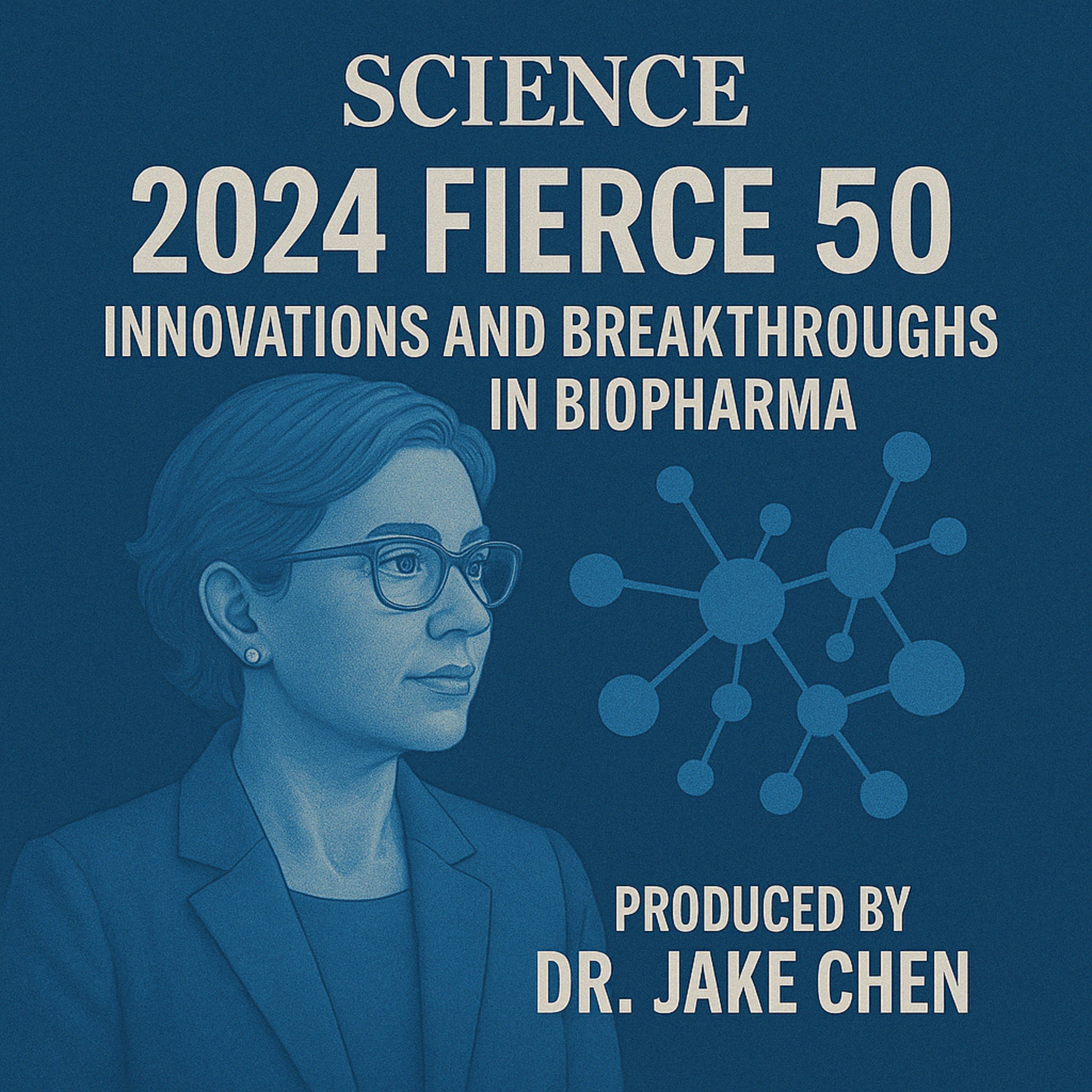
EP 2
2024 Fierce 50: Innovations and Breakthroughs in Biopharma
The 2024 Fierce 50 Honorees in Biopharma and Healthcare are driving innovation and breakthroughs in areas like AI, genomics, precision oncology, and more. This episode explores the key trends and innovations in biopharma, including the use of AI in drug discovery and healthcare delivery. The discussion also covers advancements in genomics, precision oncology, and immunotherapy, as well as major therapeutic breakthroughs in areas like diabetes, obesity, and Alzheimer's disease.
biopharmainnovationAI
Read wikiarrow_forward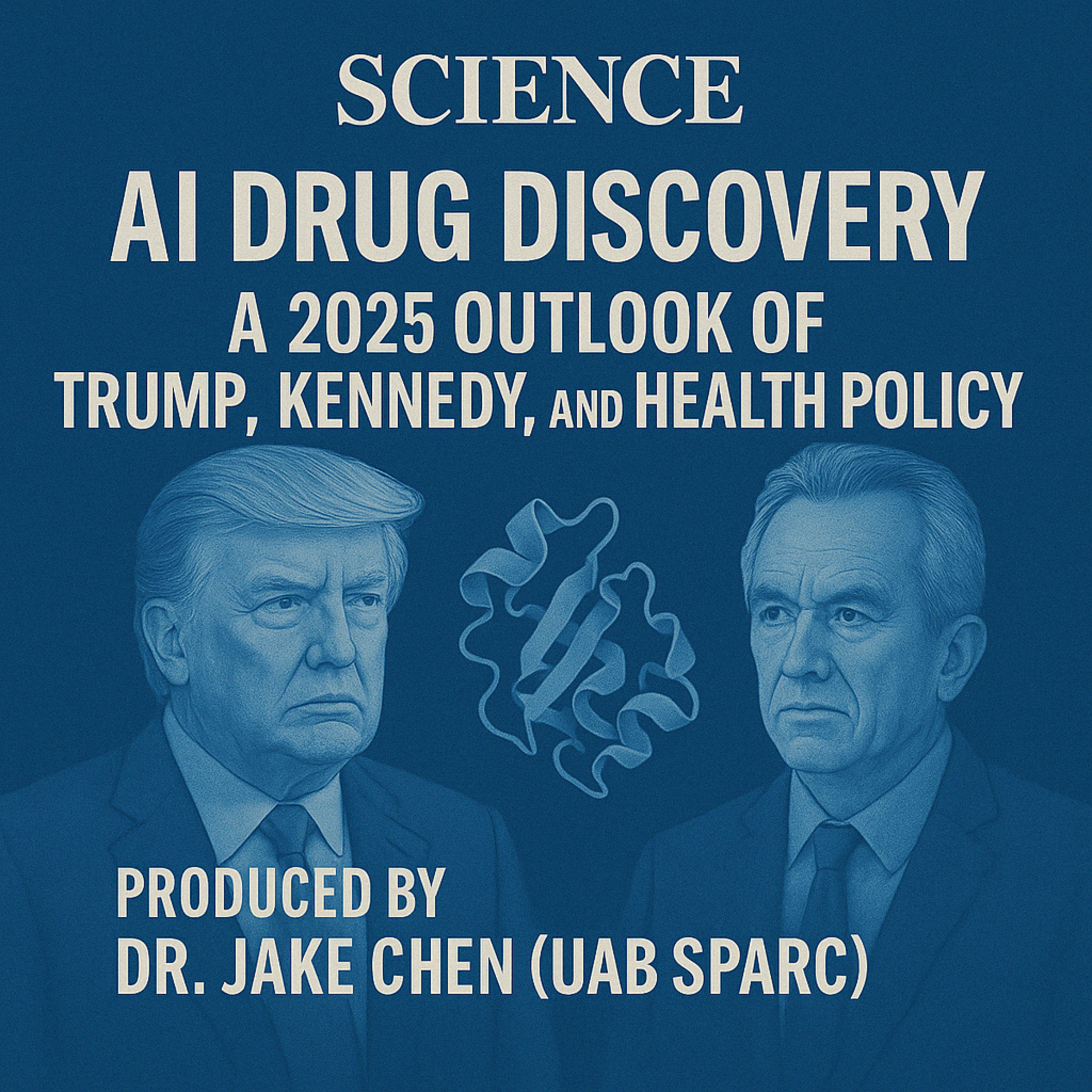
EP 1
AI Drug Discovery in 2025
This episode explores the potential impact of a second Trump administration and Robert F. Kennedy Jr.'s role in health agencies on AI drug discovery. The discussion covers possible policy shifts, leadership changes, and their effects on the industry. The episode delves into the potential benefits and drawbacks of these changes, including increased autonomy, deregulation, and funding uncertainty.
AIDrug DiscoveryRegulatory Environment
Read wikiarrow_forward